If you’re renting a home in the UK, you might have come across the phrase “quiet enjoyment” in your tenancy agreement. But what does it really mean, and how does it affect your rights and responsibilities?

In this blog, we’ll break down what quiet enjoyment means, where it comes from in UK law, and what happens if you or your landlord overstep the line.
🔍 What Does “Quiet Enjoyment” Mean?
Despite the name, it is not focussed on silence or how much fun you are having!

The right to quiet enjoyment means you have the legal right to live in your home without unreasonable interference. That includes:
- No unannounced visits from your landlord
- Freedom to live peacefully in the property
- Protection from harassment, intimidation, or forced entry
In short, once you move in, the space is yours to use as your home and that should be respected.
The key concept that we would recommend you focus on is “reasonable”. This is not an absolute and it should not be from a Landlord or Tenant viewpoint. It should be from the viewpoint of a person who is independent and would look to balance the interest of both parties.
⚖️ Where Is the Right to Quiet Enjoyment Found in Law?
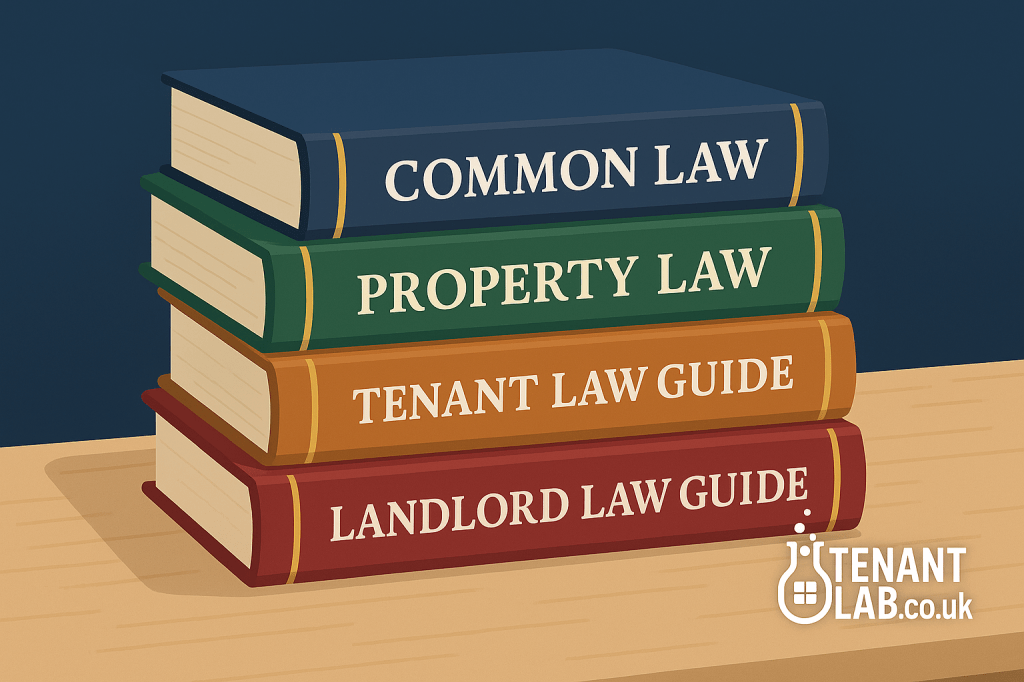
The right is implied into all tenancy agreements—even if it’s not written down.
📚 Legal Foundations:
- Common Law: Automatically included in all tenancies as a legal principle
- Case Law:
- Kenny v Preen [1963] – Landlords must not interfere with the tenant’s peace and comfort.
- Southwark LBC v Mills [1999] – Reinforces that quiet enjoyment is about freedom from substantial interference.
While not found in one specific statute, it works alongside protections like the Protection from Eviction Act 1977.
An implied term does not automatically become more or less important than any other contractual term. Instead where there is conflict between terms a judgement must be made on how to compromise so that the spirit of the terms are abided by. In a civil case a judge will look at the conduct of both parties in this respect and judge if each acted in good faith.
🔧 Does This Mean You Can Refuse Access for Repairs?
No, not without a valid reason. Remember you need to act in a “reasonable” way.

Landlords are legally allowed to enter the property for:
- Repairs
- Safety inspections (e.g., gas checks)
- Legal obligations (e.g. mortgage, licensing or insurance requirements)
✅ But they must:
- Give at least 24 hours’ written notice
- Visit at a reasonable time of day
- Be clear about the reason
🚫 Repeatedly denying access could:
- Delay essential work
- Lead to legal action or even eviction for breach of contract
- Potentially expose you to a civil breach of contract claim
🏠 What About Access for Viewings?
This one’s more flexible but the overriding factor should always be “reasonable”.
If your tenancy agreement says the landlord can show the property to new tenants or buyers in the notice period:
- You can request to reschedule if the timing isn’t convenient.
- You can object if the notice is too short or the visits are too frequent.
- You should not refuse all requests as this would likely be considered unreasonable.
📌 Important: Landlords cannot force entry for viewings without notice or agreement.
📌 Important: Tenants should demonstrate that they acted in good faith to allow reasonable access for viewings.
✅ TIP: We would recommend agreeing time slots that are convenient for you to minimise disruption.
🚨 What Happens If You Refuse Reasonable Access?
If your landlord has followed the rules (e.g., proper notice, legitimate reason), and you still refuse access, there could be consequences.
| ❗ Scenario | 💥 Possible Outcome |
|---|---|
| Refusing safety checks | Health risk, potential involvement from the council, legal claim |
| Blocking repairs | Could lead to further property damage and legal claims |
| Denying multiple viewings | May breach your tenancy agreement and create a legal claim |
| Consistently uncooperative | Could be grounds for a Section 8 eviction |
Some landlords may apply for a court injunction to gain access—this can add stress and legal costs for everyone involved. Remember that if a legal process is required that you could be liable for the costs related to that so it is best avoided. It could also affect your references going forward, which is something to be aware of as the rental market becomes more competitive for the best properties.
🤝 Final Thoughts: Rights Come With Responsibilities
The right to quiet enjoyment protects your privacy, but it doesn’t mean you can block your landlord from fulfilling their legal duties or reasonable accessing the property for their own interests.
Tenants:
✔️ Communicate clearly
✔️ Agree reasonable times for visits
✔️ Keep written records of all communication
Landlords / Agents:
✔️ Give written notice
✔️ Avoid dropping in unannounced
✔️ Be reasonable and respectful
📥 Want to Know More?
Subscribe to our blog for more tips on renting in the UK.
➡️ www.tenantlab.co.uk
🧠 Knowledge is power—know your rights!
DISCLAIMER: This post does not constitute legal advice. Each situation is different and if you are in a legal dispute we recommend instructing a solicitor to give you independent legal advice.


 Tenant Lab UK
Leave a comment