
We were told landlord licensing would clean up the rental market. Safer homes, tougher enforcement, and an end to rogue landlords. But years later, many renters are wondering: where’s the benefit—and why are we the ones footing the bill?
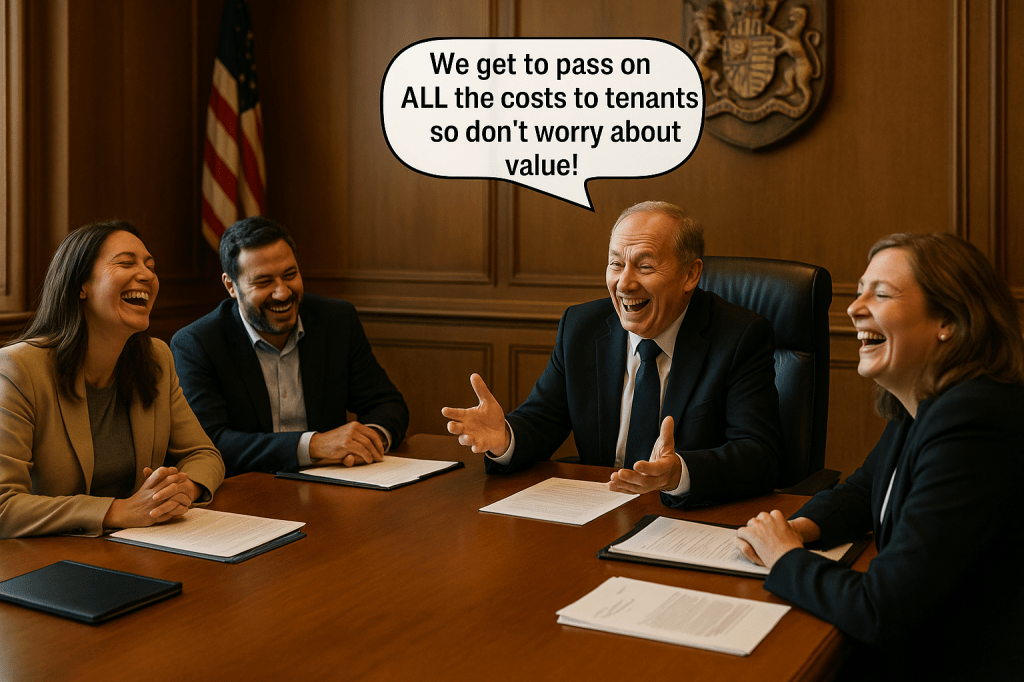
💸 The Real Cost of Licensing—Guess Who Pays?
Selective licensing schemes in places like London can cost £650 to £900 per property. Fees for administering the application process can double this. That’s over £300 a year—and yes, it often gets passed straight onto tenants. In fact over 90% of Landlords have passed in on in full or plan to at the next rent review.
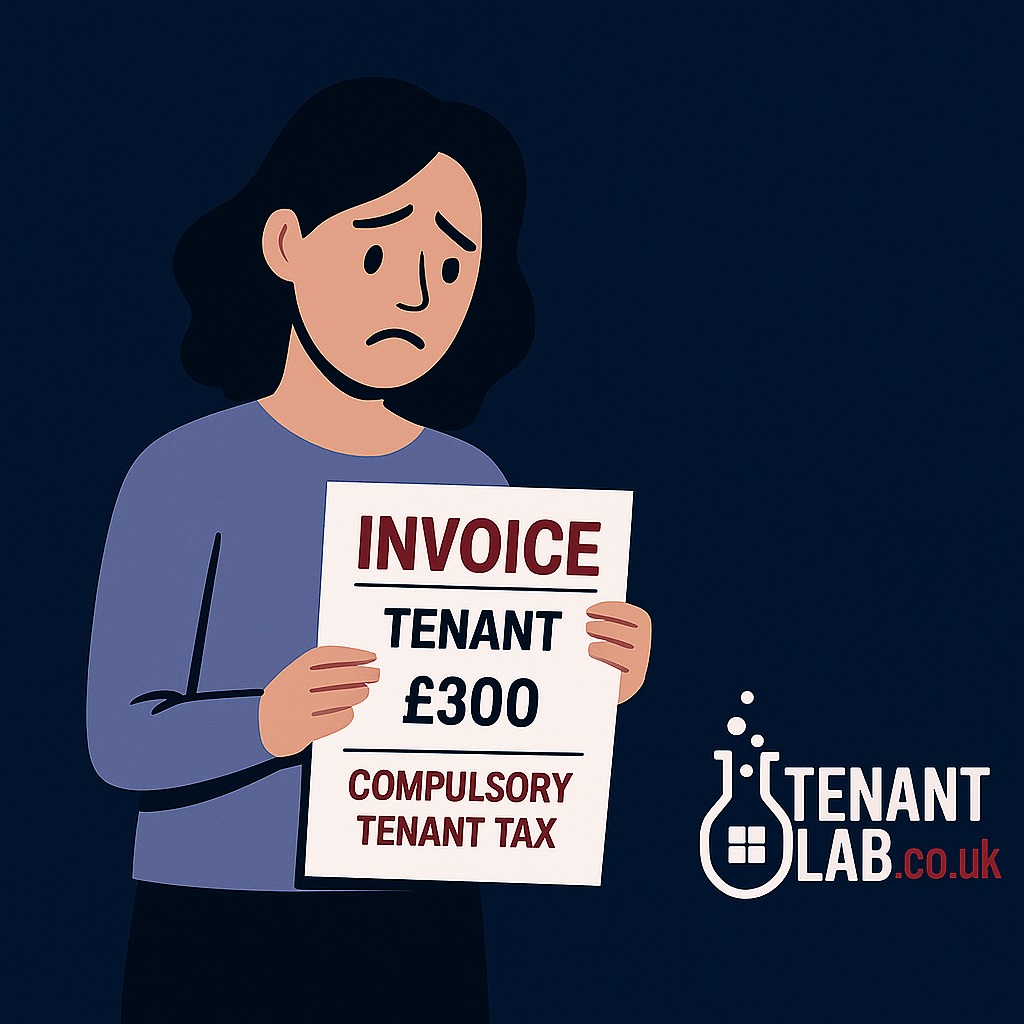
For renters already struggling with the highest rents in Europe, this means:
- Higher monthly rent
- No guarantee of improvements
- Little to no say in the process
This is A TENANT TAX that has been introduced through the back door. And without tenants having a voice in how the tax is used.
🤷 No Opt-Out, No Voice
Tenants can’t opt out of licensing. If your landlord owns a property in a designated area, you’re automatically part of the scheme—whether it helps or not.
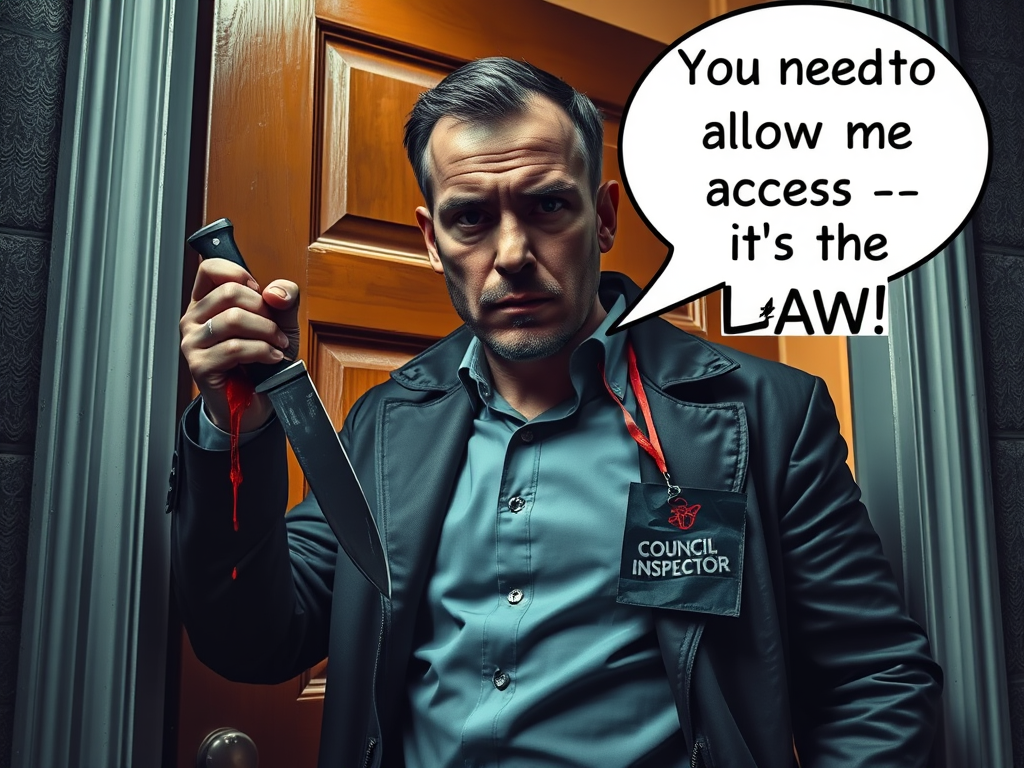
And if you feel uncomfortable with strangers coming to inspect your home? That is just tough luck as the Government has decided that their right to enter your property (for no specific reason like repairs) overrides your right to enjoy a space you have paid for. We have had reports of Tenants having to take time off work as they felt threatened that they would be breaking the law if they didn’t.
🔍 Who Are These Inspectors?
Here’s the problem: there’s no legal requirement for licensing inspectors to be qualified. It has been evident to tenants who have had a visit that the “officer” had no formal qualification, training or vetting. The qualification they were shown was a badge saying they represent the council!
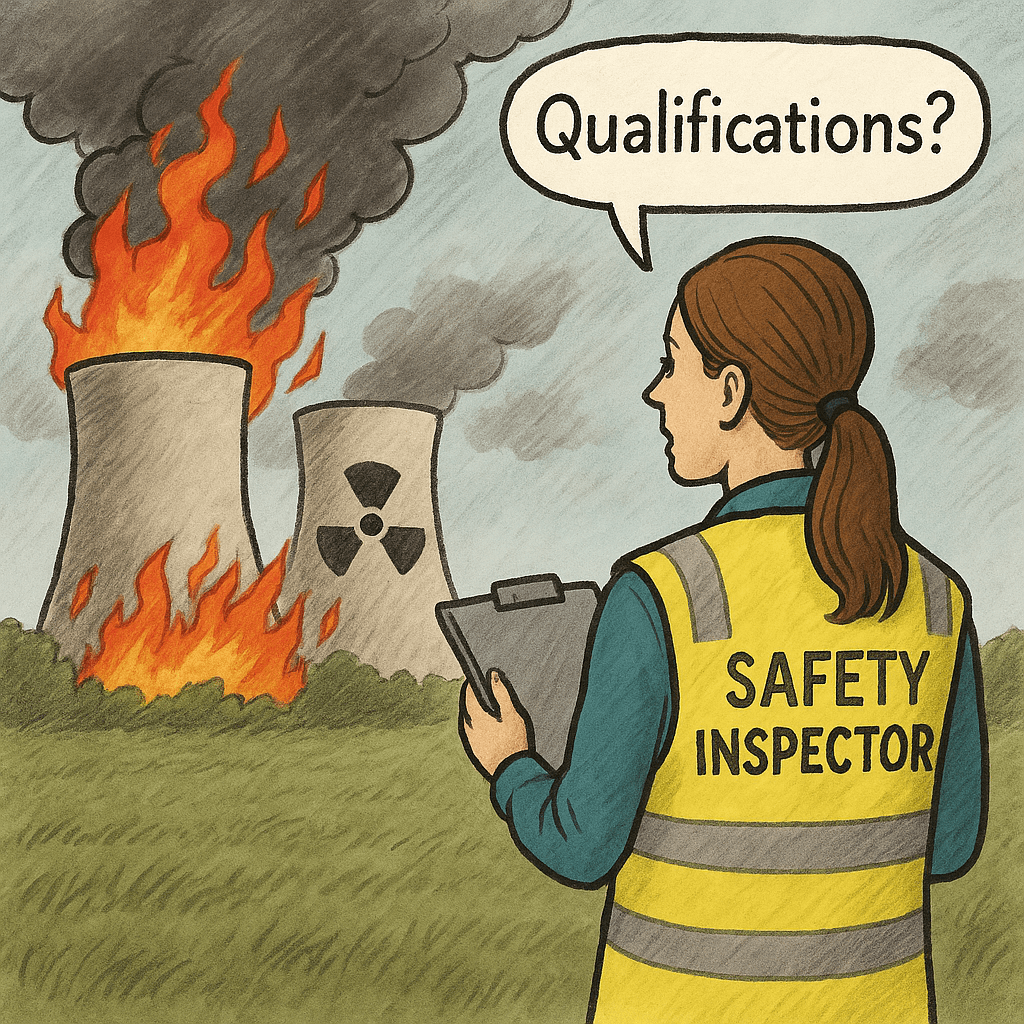
Some are trained housing officers. Others are temporary contractors with little or no experience. You might have someone inspecting your home who has never rented, managed, or maintained a property.
So it is a fair question to ask what they will spot that as a tenant you can’t report to the Landlord yourself. Is it worth £300 a year of your rent?
🛑 Are Bad Landlords Even Affected?
Short answer: no.
Rogue landlords—the kind that licensing was supposed to stop—often ignore the rules anyway. They don’t register. They don’t pay. And with 67% of councils not prosecuting a single landlord between 2018–2021, they usually get away with it.
Meanwhile, compliant landlords register, charge tenants more to cover the fee, and go back to business as usual.
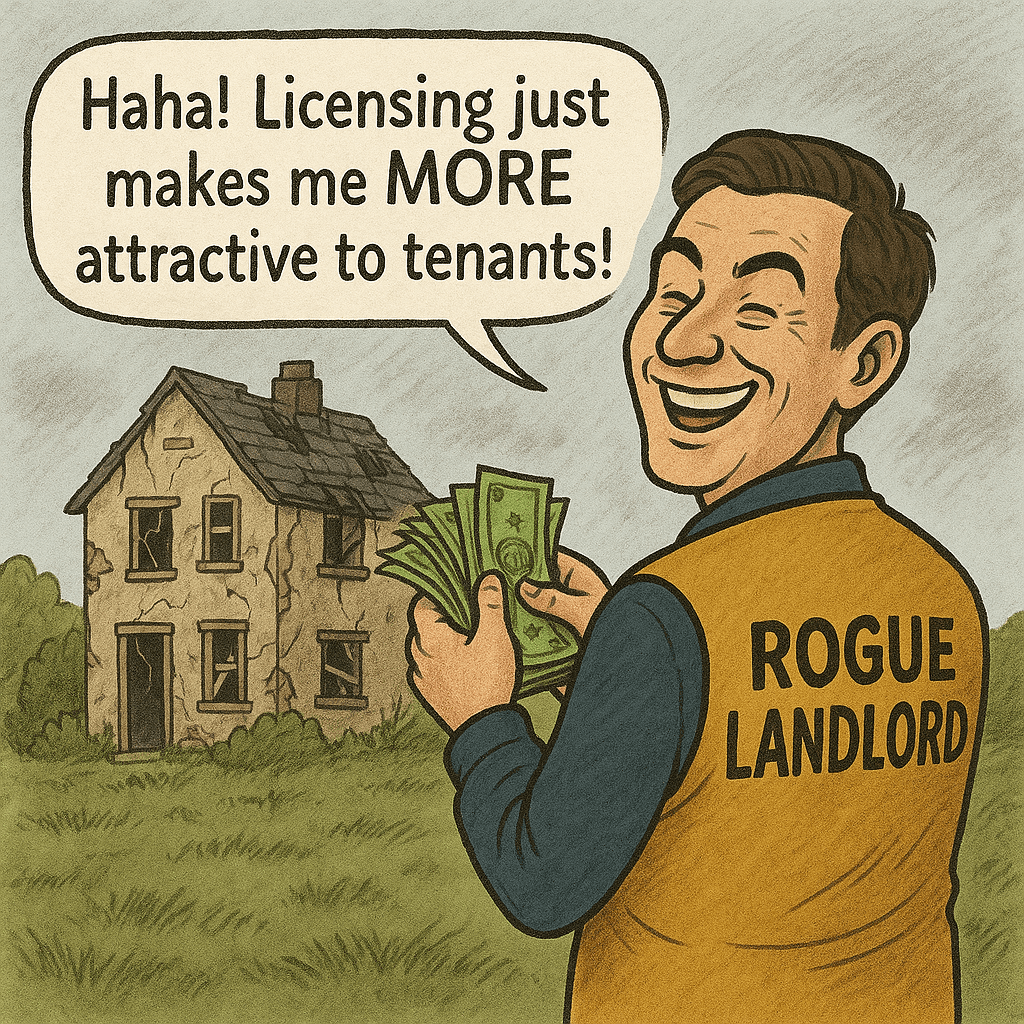
In fact the Rogue Landlords benefit as it means they can keep their costs lower than a legal landlord but still charge the increased market rent. No tenant wants MORE Rogue Landlords and certainly don’t want them to profit more than the good ones!
⚖️ So What’s Licensing Really Doing?
The government says it’s about improving standards. But:
- Councils already had enforcement powers before licensing
- Prosecutions are incredibly rare (1 in 12,500 landlords annually)
- The average fine is £6,400, but that’s after a long and difficult process
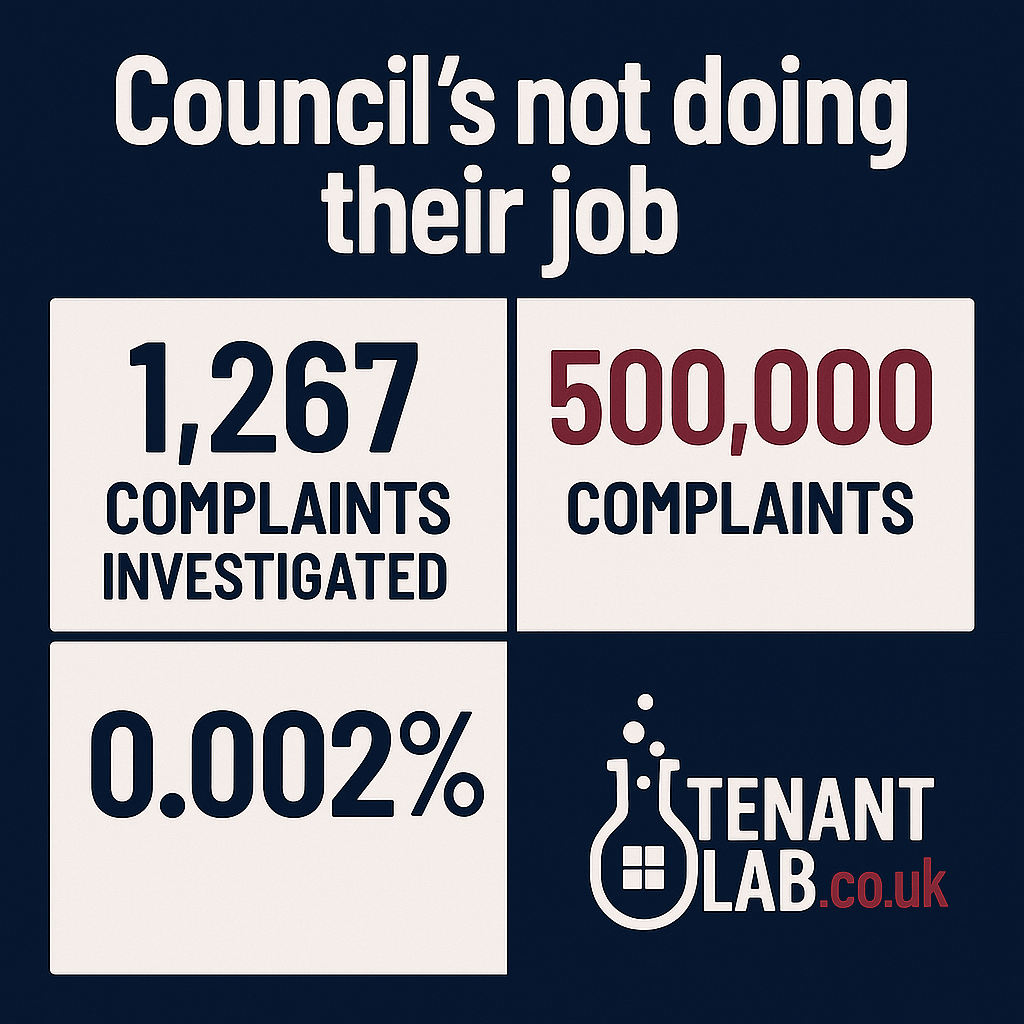
There’s no evidence that licensing actually fixes bad housing—or makes enforcement faster or more effective. Most tenants would prefer that £300 back in their pocket and for councils to do their job in responding to complaints and prosecuting Rogue Landlords. After all isn’t that what our Council Tax should be doing!?
💡 What Tenants Actually Need
- Faster responses to serious complaints
- Properly qualified inspectors
- Clear records of enforcement actions
- Accountability—including for councils who fail to act
Instead, we’re getting an extra charge and empty promises.
🧾 The Bottom Line
Landlord licensing might look good on paper—but in practice, it’s another cost dumped on tenants with very little in return. Unless councils get serious about using the powers they already have, this is less about standards—and more about revenue.
Subscribe to the Blog to get practical tools, factual insights, useful Tips and Information and to create a community that practically seeks to help good renters and good landlords make better tenancies.


 Tenant Lab UK
Leave a comment