Published by Tenant Lab | October 2025
A big change is coming for renters — and it could affect the very people who already struggle the most to secure a home.
Under the proposed Renters’ Rights Bill, landlords and letting agents will no longer be able to ask tenants to pay rent in advance (beyond the normal monthly payment).
At first glance, that sounds like good news — it’s meant to stop landlords demanding six or twelve months upfront, which has unfairly priced many people out of renting.
But there’s another side to this story that deserves attention.
💡 Why Some Tenants Pay Rent in Advance
In reality, “rent in advance” has long been a lifeline for renters who don’t tick every box on a referencing check.
Many responsible tenants use it as a practical workaround when they can’t yet prove their income or creditworthiness.
Here are a few common examples:
- New job starters – you’ve just started work and don’t have three months’ payslips yet.
- Students – you don’t have a regular income and can’t provide a UK guarantor.
- Self-employed renters – your income varies month to month, so referencing systems don’t always recognise it.
- First-time renters – you’ve never rented before and have no rental history.
- People moving from abroad – no UK credit record, but you’re financially stable.
In each of these cases, offering three or six months’ rent upfront can give a landlord confidence and help secure a home.
🚫 What the New Rule Means
If landlords can’t accept advance rent payments, they’ll have no flexibility to approve tenants who fall outside standard referencing.
That could leave certain renters in a difficult position:
1. More failed applications
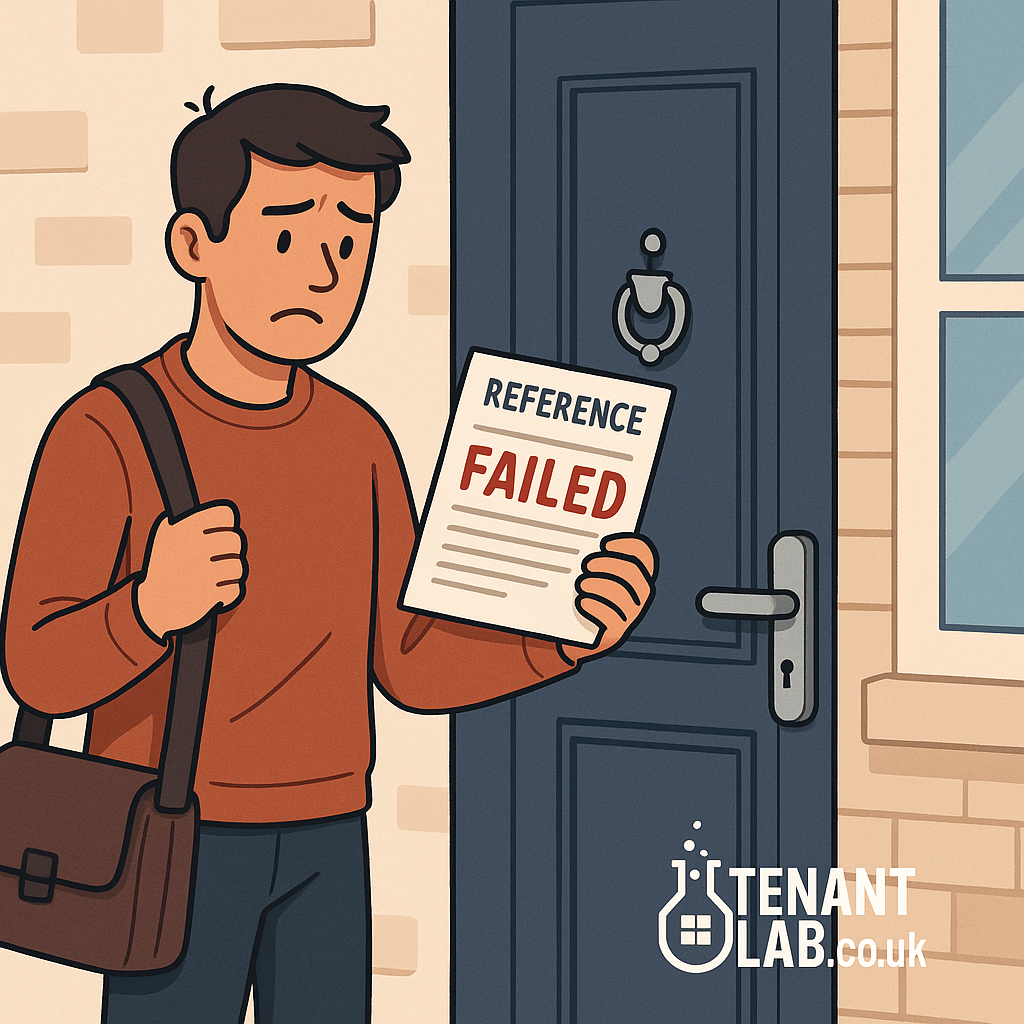
Without payslips, a credit record or a guarantor, many renters will simply fail referencing — and lose out to others who pass automatically.
2. Fewer options for new starters and students
Students, graduates and people changing jobs will be hardest hit. They may need to delay moving or rely on expensive guarantor services just to rent.
3. Landlords becoming more selective
Ironically, a rule designed to protect tenants may make landlords pickier. If they can’t reduce risk with upfront rent, they’ll only accept tenants who meet every financial requirement.
4. A rise in guarantor and rent insurance schemes
Expect to see more companies offering to “stand in” as a guarantor or cover missed rent — often for a monthly fee.
That can add another layer of cost to renting.
🎓 Real Example: The New Graduate
“I’d just started my first job after university. I didn’t have payslips yet, but I could afford to pay three months upfront. The agent said that was fine, and I got the flat. If that option disappears, I honestly don’t know how I would’ve found somewhere.”
— Jasmin, 23, London
Stories like Jasmin’s are common. For many people at the start of their working life, paying rent in advance is the only way to bridge the gap until they’ve built a financial record.
💬 Tenant Lab’s View
Tenant Lab supports fairer, more transparent renting — but rules need to work for everyone.
Preventing landlords from demanding excessive upfront payments can be a benefit on the face of things. But when you look behind the headline banning all advance payments could unintentionally lock out thousands of renters who are doing the right thing but don’t fit the “perfect tenant” profile.
There needs to be flexibility and fairness built into the system — so that tenants without traditional references still have a pathway to secure a home.
🛠️ What Tenants Can Do
If you’re worried you’ll be affected, here are some steps you can take:
- Start collecting evidence early – get a letter from your employer or university confirming your position and income.
- Ask about alternative referencing – some agents use open banking to verify income instantly.
- Consider guarantor or rent guarantee services – though not ideal, they can help bridge the gap.
- Keep communication open – honesty with your agent or landlord goes a long way.
🏡 Final Thought
Most tenants are doing their best to be responsible and stable. Renting shouldn’t be harder just because you’re new to work, studying, or self-employed.
Tenant Lab will continue to campaign for a balanced approach — one that protects tenants from unfair demands, without cutting off the very options that help them rent in the first place.


 Tenant Lab UK
Leave a comment