
Damp is one of the biggest causes of tenant complaints in the UK private rented sector – and with Awaab’s Law coming into force through the Social Housing (Regulation) Act 2023, standards and expectations are only moving one way.
If you’re a tenant dealing with damp, here’s what actually works – and what doesn’t.
Improve Ventilation (Without Freezing Yourself)
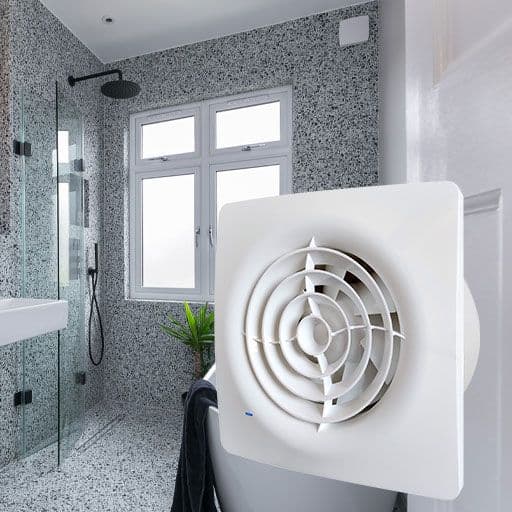
Moisture builds up from:
- Cooking
- Showering
- Drying clothes indoors
- Breathing (yes — two adults can produce up to 2–3 litres of moisture overnight)
Practical steps:
- Open windows for 10–15 minutes daily (even in winter).
- Use extractor fans every time you cook or shower.
- Keep trickle vents open.
- Don’t block air bricks.
Real-life example:
A tenant in Acton reduced black mould in the bedroom simply by opening windows each morning and keeping the bedroom door slightly ajar overnight. The issue wasn’t a leak — it was trapped condensation.
If there’s no extractor fan in bathroom or kitchen, that’s something your landlord should address.
Heat Consistently (Low and Steady Beats On/Off)
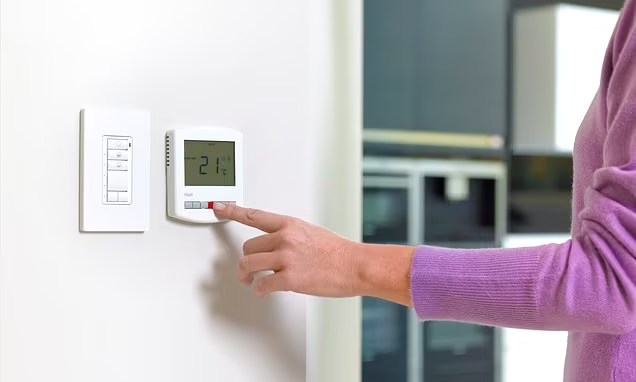
Cold surfaces = condensation.
Try to:
- Keep temperature between 18–21°C.
- Avoid letting property drop below 15°C.
- Heat all rooms lightly (not just one).
Data point:
Condensation forms when warm air hits surfaces below dew point temperature. In poorly insulated flats (common in London conversions), this happens quickly if heating is irregular.
If you’re avoiding heating due to cost, speak to your landlord — under the Homes (Fitness for Human Habitation) Act 2018, properties must be free from serious damp and mould.
Dry Clothes Properly
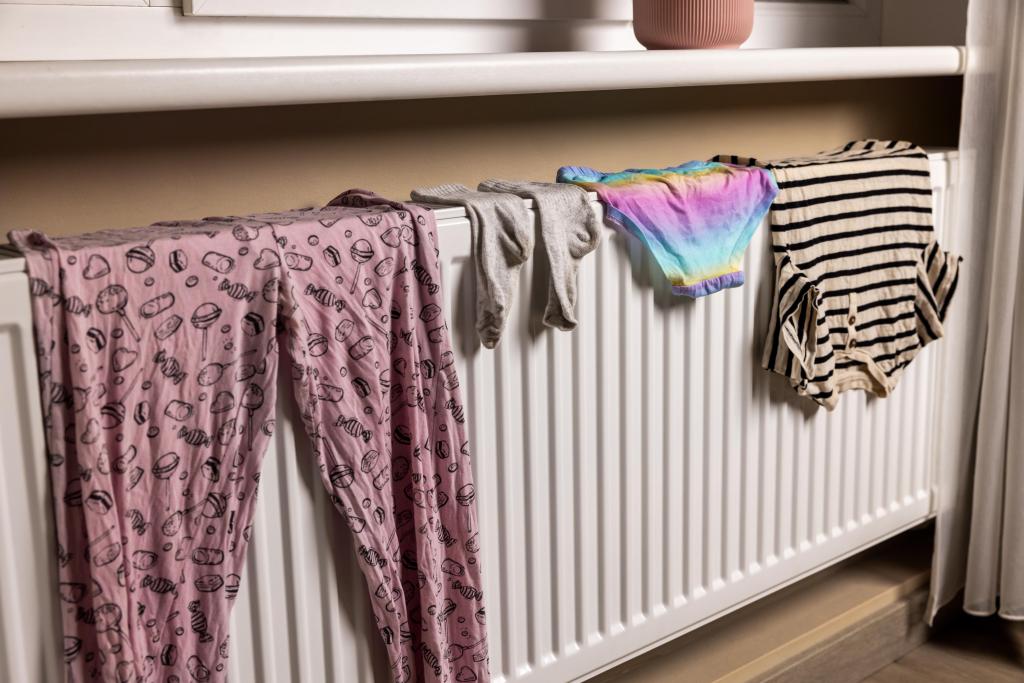
Drying clothes on radiators can release 2+ litres of moisture into the air.
Better options:
- Use a condenser or vented tumble dryer.
- Dry clothes in bathroom with window open and door closed.
- Use a dehumidifier (especially in winter).
A £150–£250 dehumidifier can dramatically reduce condensation in smaller flats.
Report Structural Damp Early
Not all damp is condensation.
Watch for:
- Peeling wallpaper
- Tide marks on walls
- Damp patches that worsen after rain
- Musty smell even in summer
These could indicate:
- Roof leaks
- Rising damp
- Bridged cavity walls
- Faulty guttering
If you suspect structural damp, report it in writing. Under the Landlord and Tenant Act 1985, landlords are responsible for structure and exterior repairs.
Wipe Condensation Daily (It Matters More Than You Think)
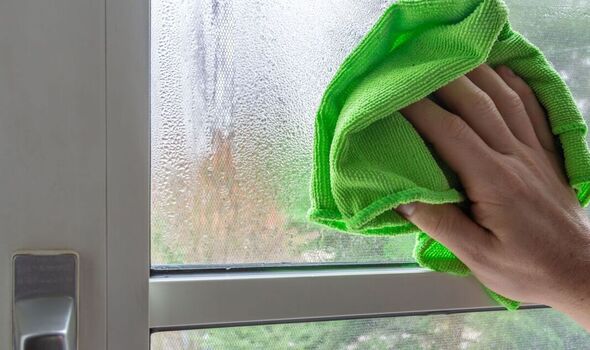
It takes 30 seconds — but prevents mould spores taking hold.
Focus on:
- Window frames
- Silicone seals
- Behind wardrobes
- External-facing walls
Once black mould embeds into paint or plaster, it’s much harder to resolve.
Furniture Placement Makes a Difference
Leave:
- 5–10cm gap behind wardrobes
- Space around beds on external walls
- Airflow around sofas
Pushing furniture flush against cold walls traps moisture and encourages mould growth.
When It’s Not Your Fault
Let’s be clear.
If:
- There’s no ventilation system,
- Windows don’t open,
- Insulation is poor,
- Heating system is faulty,
Then damp is unlikely to be caused by lifestyle alone.
The Housing Health and Safety Rating System classifies excess damp and mould as a Category 1 hazard. Local councils can enforce improvements.
A Practical Damp Checklist for Tenants
✔ Ventilate daily
✔ Use extractor fans
✔ Heat consistently
✔ Avoid drying clothes in living spaces
✔ Wipe condensation
✔ Report defects in writing

 Tenant Lab UK
Leave a comment